How Often Do Bicycle Accidents Turn Fatal?
July 31, 2026 · All 50 Law Team
Direct Answer Summary
Fatal bicycle crashes make up a small portion of traffic deaths, but the danger is still significant because bicyclists have very little protection in a collision. Many deadly bicycle crashes involve motor vehicles, especially in urban traffic and at intersections. When negligence caused the death, surviving family members may have the right to pursue a wrongful death claim.
Short Answer
Most bicycle accidents are not fatal, but fatal crashes still happen often enough to remain a serious road-safety problem.
Key Takeaways
- Bicyclists account for about 2% of all traffic deaths in the United States
- Around 1,000 bicyclists are killed each year, and many more suffer injuries
- Motor vehicles are involved in many fatal bicycle crashes
- Men ages 50 to 59 face one of the highest fatality risks
- Families may be able to bring a wrongful death claim after a fatal bicycle crash
Why This Matters
A percentage can look small on paper and still represent a serious public safety issue. A bicyclist does not have a steel frame, airbags, or other built-in protection, so even a single impact can turn deadly. That is why these cases often raise both safety concerns and legal questions about fault, insurance, and wrongful death rights.
How Common Are Fatal Bicycle Crashes
Fatal bicycle crashes are a minority of overall traffic deaths, but they still happen in meaningful numbers every year.
Bicyclists make up about 2% of all traffic fatalities in the United States. Annual bicyclist deaths are roughly 1,000, with around 130,000 injuries each year. That means most bicycle crashes are not fatal, but the total number of deaths is still high enough to show a real and recurring risk.
Recent data also shows that preventable bicycle deaths have been rising. Annual fatalities increased from 902 in 2014 to 1,377 in 2023, which reflects a substantial increase over time rather than a stable pattern.
Do Fatal Bicycle Crashes Usually Involve Motor Vehicles?
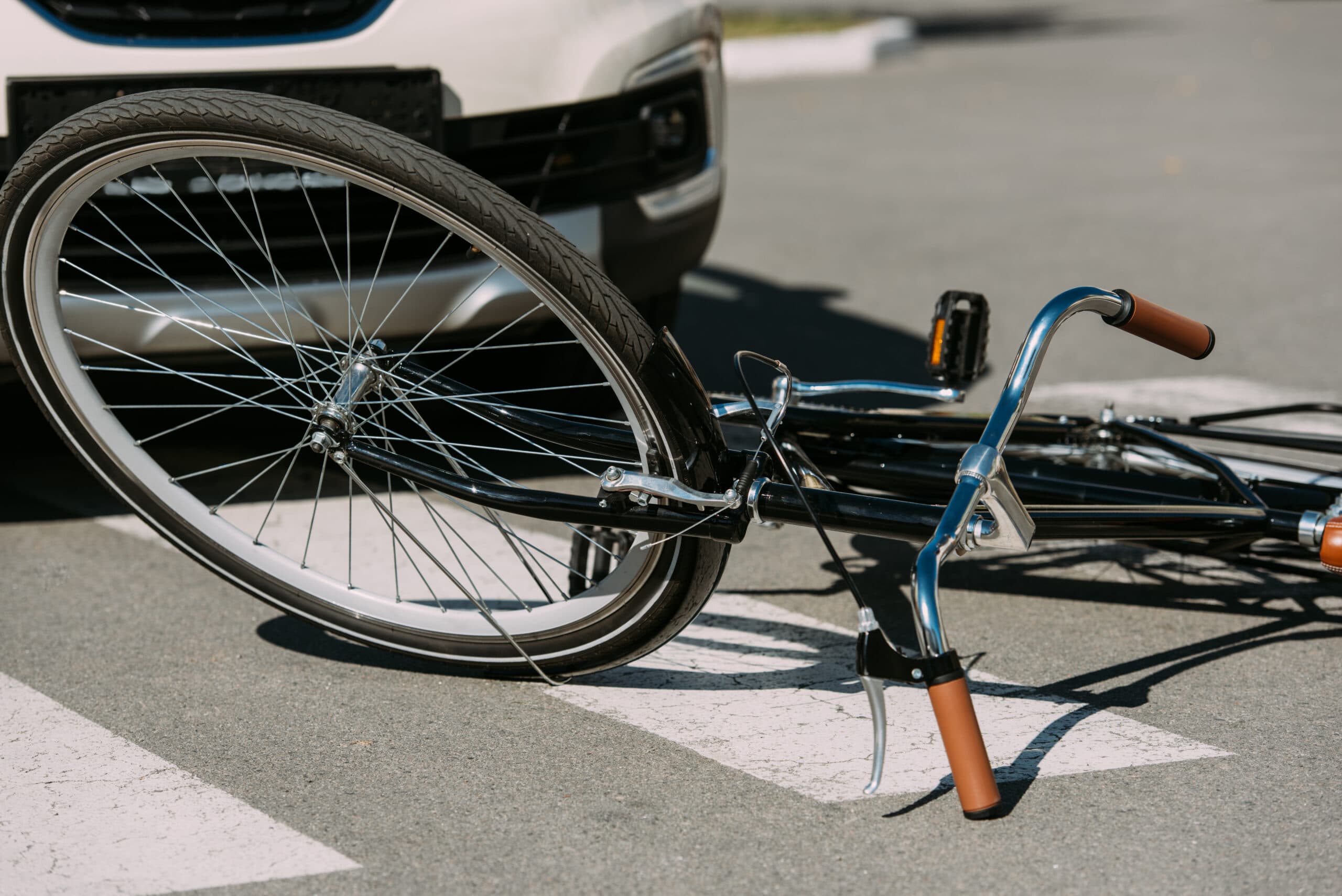
Yes. Many fatal bicycle crashes involve a motor vehicle.
Of the 1,377 bicyclist deaths identified for 2023, 937 involved motor vehicle crashes. The remaining 440 deaths were tied to other causes, such as solo-bike crashes or collisions with pedestrians. That makes vehicle impact the most common pattern in fatal bicycle crashes.
What Usually Makes a Bicycle Crash Deadly
Fatal bicycle crashes are often linked to vehicle impact, low visibility, unsafe conditions, alcohol use, lack of helmet use, and traffic-law violations.
Common factors include:
- Collisions with motor vehicles
- Riding without a helmet
- Poor lighting or low visibility
- Hazardous road conditions, including potholes and debris
- Alcohol use by the cyclist, the driver, or both
- Running red lights, ignoring stop signs, or riding against traffic
Each of these factors can make a crash more severe or make it harder to avoid one in the first place. In fatal cases, several of them may overlap.
Who Faces the Highest Risk of Bicycle Fatalities
Fatal bicycle risk is not evenly spread across all riders.
Adults ages 50 to 59 were identified as the highest-risk age group. Men account for nearly 90% of bicyclist fatalities in the United States. Urban riders also face substantial risk because traffic is denser, conflicts are more frequent, and vehicles often move through intersections in close proximity to bicycles. Rural riders still face danger too, especially on darker roads where drivers may not see a cyclist in time.
Where Do Fatal Bicycle Crashes Happen Most Often
Fatal bicycle crashes often happen in urban intersections and on roads where bicycles and motor vehicles are forced into close contact.
Higher-risk locations include:
- Urban intersections
- Roads without dedicated bike lanes
- Multi-lane highways
- Residential areas involving driveways or reversing vehicles
These settings create repeated conflict points between riders and larger vehicles, which helps explain why they appear so often in fatal-crash discussions.
Does the Time of Year Affect Bicycle Fatalities
Yes. Fatal bicycle crashes rise during warmer months and stay elevated into the fall.
The numbers also show a clear seasonal pattern. July is one of the heavier months for fatal bicycle crashes, and October recorded the highest monthly total in 2023, with 156 deaths. February was much lower, with 81 deaths. That pattern likely reflects higher riding activity during favorable weather.
Who Can Be Held Responsible for a Fatal Bicycle Crash
Liability may fall on more than one party, depending on what caused the crash.
Possible responsible parties include:
- Drivers who were speeding, distracted, or failed to yield
- Bicycle manufacturers if a defect contributed to the crash
- Government agencies if poor road design, inadequate signage, or bad maintenance created danger
- Other cyclists or pedestrians whose careless conduct caused the incident
- Bar owners or alcohol providers in limited situations involving an intoxicated driver
Fault depends on the facts of the case, and more than one party can share responsibility.
Who Can File a Claim After a Fatal Bicycle Accident
The right to file usually depends on the wrongful death laws of the state where the death occurred.
People who may be eligible to file often include:
- A spouse or domestic partner
- Children, including adult children
- Parents, if there is no spouse or child
- In some states, certain extended family members or financial dependents
A wrongful death claim may seek compensation for funeral expenses, lost income the deceased would have earned, and loss of companionship.
How Can Weather Affect Fatal Bicycle Accidents
Weather can raise the risk by reducing visibility and making road surfaces harder to handle safely.
Rain, snow, and fog can make it harder for drivers and cyclists to see clearly. Wet or icy pavement can also increase the chance of losing control. Even so, warmer months still tend to show more fatalities because more people are riding during those periods.
Can Distracted Walking Contribute to Bicycle Crashes?
Yes. Distracted pedestrians can create dangerous conflict points for cyclists.
A pedestrian who steps into a bike lane or crossing without noticing an approaching rider can trigger a crash directly or force the cyclist into a more dangerous path, including vehicle traffic. That can make an already risky situation much worse.
Have E-Bikes Changed the Risk?
E-bikes may make some crashes more severe because they travel faster, but the available discussion does not establish a proven increase in fatalities caused by e-bikes alone.
Their speed can surprise drivers and pedestrians, which may raise the seriousness of a collision. At the same time, the discussion stops short of saying the current research proves a clear fatality increase caused by e-bikes alone.
How Is Insurance Usually Handled After a Bicycle Crash
Insurance coverage depends on how the crash happened and which policies apply.
Possible coverage sources include:
- The at-fault driver’s auto insurance
- The bicyclist’s own health insurance
- Uninsured motorist coverage in a hit-and-run or uninsured-driver case
- Homeowner’s or renter’s insurance for damage to the bicycle itself
In fatal cases, wrongful death claims may also be part of the legal and insurance analysis.
How Can a Lawyer Help After a Fatal Bicycle Crash
A lawyer may help investigate fault, handle insurers, and calculate the full losses tied to the death.
That work can include:
- Reviewing police reports
- Gathering witness statements
- Looking for video footage
- Using crash reconstruction evidence when needed
- Responding to low settlement offers
- Valuing both economic and non-economic losses
Frequently Asked Questions
Are Most Bicycle Accidents Fatal?
No. Most bicycle accidents are not fatal, but fatal crashes still happen often enough to remain a serious road-safety issue.
Do Fatal Bicycle Crashes Usually Involve Cars?
Often yes. Many fatal bicycle crashes involve a motor vehicle, which is one reason they are so dangerous for riders.
Can a Family Sue After a Fatal Bicycle Crash?
Possibly. If negligence contributed to the rider’s death, surviving family members may be able to bring a wrongful death claim under state law.
Next Steps
If a fatal bicycle crash may have involved negligence, preserve evidence as early as possible. Police reports, witness names, road-condition details, video footage, and insurance information can all become important quickly in a wrongful death case.
How Can All 50 Law Help In These Situations
All 50 Law helps families understand what may matter after a fatal bicycle crash, including fault, wrongful death claims, insurance issues, and the kinds of evidence that can strengthen the case. When a rider’s death may have been preventable, All 50 Law works across jurisdictions and connects people with attorneys who handle personal injury matters under applicable state laws.
When accidents involve shared fault or comparative negligence, determining responsibility often requires reviewing evidence, insurance coverage, and local traffic rules. All 50 Law helps coordinate that process by providing access to legal professionals who can explain how liability may be evaluated and what steps may follow.
This article was written and reviewed by Marshall Silver, Esq., a New York-licensed personal injury attorney. This content is for general informational purposes only and does not constitute legal advice.