Who Is Usually Liable in a T-Bone Car Accident?
July 27, 2026 · All 50 Law Team
Direct Answer Summary
In most T-bone accidents, liability usually falls on the driver who failed to yield the right of way. That often means driving through a red light or stop sign, turning left without yielding, or pulling into traffic from a driveway or parking lot when it was not safe to do so. In some cases, both drivers share blame if each one contributed to the collision.
Short Answer
The driver who violated the right-of-way rules is usually at fault for a T-bone accident, but fault can be shared in some cases.
Key Takeaways
- T-bone crashes usually happen when one driver enters an intersection without the legal right to do so
- Running a red light, rolling through a stop sign, and making an unsafe left turn are common fault patterns
- Speeding, distraction, and impaired driving can increase or divide fault
- Comparative negligence rules can reduce compensation when both drivers share blame
- Photos, witness statements, police reports, traffic footage, and reconstruction evidence often matter most in proving fault
Why This Matters
Side-impact crashes tend to be serious because the side of a vehicle offers much less protection than the front or rear. These cases can also turn into fast-moving fault disputes, especially when both drivers insist they had the right of way. The outcome often depends on traffic rules, physical evidence, and whether either driver’s actions made the collision harder to avoid.
What Is a T-bone Accident
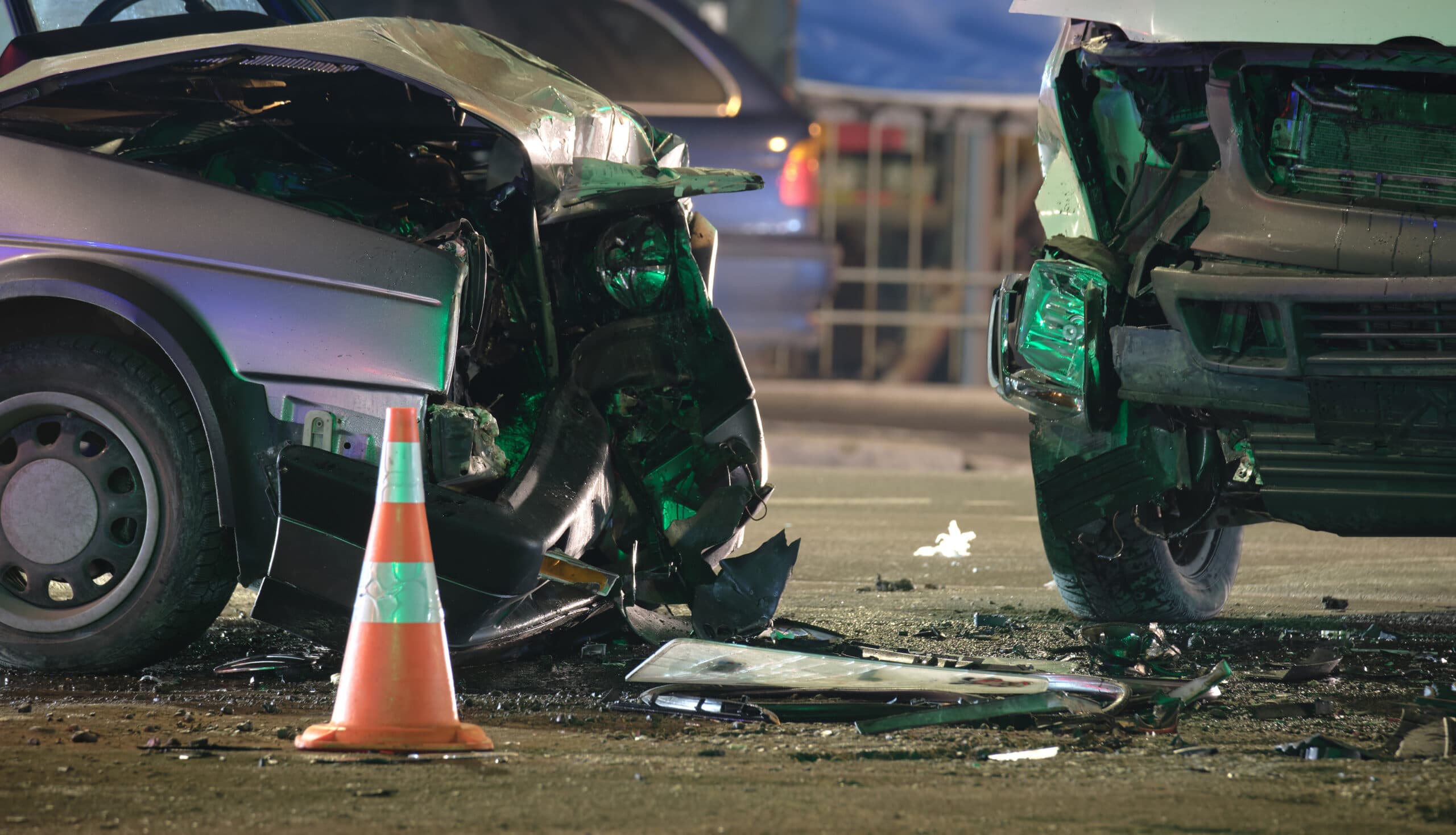
A T-bone accident is a side-impact crash in which one vehicle strikes the side of another, usually at an intersection.
These collisions often happen when one driver ignores a signal, misjudges crossing traffic, or enters an intersection at the wrong time. Because the impact hits the side of the vehicle, injuries can be severe, including traumatic brain injuries, spinal cord damage, and internal bleeding. A Pennsylvania Department of Transportation crash report noted that nearly 24% of multi-vehicle crashes in the state happen at intersections.
Who Is Usually At Fault In a T-bone Accident
The driver who broke the right-of-way rules is usually the one found at fault.
The main question is usually who had the legal right to enter the intersection first. When one driver ignored a red light, stop sign, or other traffic control, liability often follows that violation. Pennsylvania law is one example of a rule requiring drivers to obey traffic control signals unless directed otherwise by a police officer.
What Situations Most Often Place Fault on One Driver
Fault often lands on one driver when that driver runs a red light, ignores a stop sign, makes an unsafe left turn, or pulls into traffic without yielding.
Common examples include:
- Driving through a red light or stop sign
- Turning left without yielding to oncoming traffic
- Pulling out from a private driveway, alley, or parking lot without yielding
- Entering an intersection in violation of a clear right-of-way rule
How Do Traffic Violations Affect Fault
Traffic violations often make fault easier to prove because they show that a driver broke a rule meant to prevent this kind of collision.
Violations that commonly affect liability include:
- Running red lights
- Turning left without yielding to oncoming traffic
- Rolling through stop signs
- Making illegal or unsafe turns
- Failing to use turn signals
- Driving the wrong way on a one-way street
When one driver followed the rules and the other did not, liability usually leans toward the driver who broke the law. If both drivers violated traffic rules, the case can become more complicated.
Can Distracted Driving Affect Fault In a T-bone Accident?
Yes. A distracted driver who misses a signal, stop sign, or changing road condition can be found fully or partly at fault.
Distraction can involve phones, navigation systems, food, fatigue, or anything else that pulls attention off the road. California, Florida, and New York are listed as examples of states with laws restricting handheld phone use or texting while driving, and the National Highway Traffic Safety Administration (NHTSA) reported that distracted driving killed more than 3,500 people in one recent year.
Can Speeding Matter Even If a Driver Had the Right of Way?
Yes. A driver can still share blame if speeding reduced the chance to avoid the collision.
At intersections, speed affects reaction time and stopping distance. A driver may technically have the right of way and still carry part of the blame if excessive speed made the crash harder to avoid. Virginia and Illinois are where speeding can become part of the liability analysis.
Does Impaired Driving Affect Fault?
In many cases, yes. Evidence that a driver was impaired can strongly support fault in a T-bone crash.
Alcohol or drug impairment can reduce judgment, awareness, and reaction time. Arizona, Massachusetts, and Texas are among the states used as examples of DUI laws that can shape liability when a driver involved in a side-impact collision was over the legal limit or otherwise impaired.
Can Both Drivers Share Fault In a T-bone Accident?
Yes. Some T-bone crashes involve mistakes by both drivers, which can lead to shared fault.
That can happen when one driver makes the first obvious mistake but the other driver is also careless. One example is a driver running a stop sign while the other speeds through the intersection. Another is a driver failing to yield while the other is texting and misses the chance to avoid the collision. In those situations, fault may be divided by percentage.
How does comparative negligence work in a T-bone case?
Comparative negligence reduces compensation based on each party’s share of fault, but the exact rule depends on the state:
- Pure comparative negligence. A person may still recover damages even if mostly at fault, but recovery is reduced by that percentage
- Modified comparative negligence. A person may recover only if fault stays below the state’s cutoff, often 50% or 51%
- Contributory negligence. A person may recover nothing if even slightly at fault
What Evidence Helps Prove Fault After a T-bone Accident
Strong fault evidence usually includes physical scene evidence, witness accounts, police findings, vehicle damage, and available video.
Evidence commonly used includes:
- Scene photographs and videos
- Vehicle damage analysis
- Witness statements and, when needed, affidavits
- Police reports and citations
- Skid marks, debris patterns, and road conditions
- Traffic camera footage or nearby surveillance video
- Accident reconstruction analysis in disputed cases
How Does an Attorney Investigate Fault In a T-bone Accident
An attorney usually starts by collecting evidence, speaking to witnesses, reviewing the police report, and using experts or video evidence when the facts are disputed.
A typical investigation may include:
- Collecting scene evidence. Photos, videos, and vehicle damage patterns can help show direction of travel, movement, and impact angle.
- Interviewing witnesses. Witnesses can help clarify timing, signals, and what each driver was doing before impact.
- Reviewing the police report. Reports often include statements from the drivers, officer observations, and citations that can affect negotiations or litigation.
- Using accident reconstruction experts when needed. Experts may analyze speed, braking, debris, and road conditions to model how the crash happened.
- Requesting traffic or surveillance footage. Video can directly show a red-light violation, failure to yield, or speeding through an intersection.
Frequently Asked Questions
Is the driver who hit the side of the other car always at fault?
No. In many T-bone crashes, the vehicle that struck the side of the other car did so because the other driver entered the intersection unlawfully. The real issue is usually who had the right of way.
Can I still recover compensation if I was partly at fault?
Possibly. That depends on the negligence rules in the state handling the claim. Some states reduce recovery by your percentage of fault, while others block recovery once fault crosses a threshold or even if it is minimal.
What if there were no witnesses?
A case can still be built using photos, vehicle damage, police reports, citations, road conditions, and any available traffic or security footage. In disputed cases, accident reconstruction experts may also help.
Next Steps
If you are trying to sort out fault after a T-bone accident, preserving evidence early matters. Photos, witness names, police reports, and any available video can become important quickly. From there, the central questions are who had the right of way, whether either driver broke traffic laws, and whether shared fault rules may affect the claim.
How Can All 50 Law Help In These Situations
All 50 Law helps people understand the issues that often control fault in a T-bone accident, including right-of-way rules, traffic violations, shared fault, and the evidence that may matter most after a side-impact collision. When liability is disputed, All 50 Law works across jurisdictions and connects people with attorneys who handle personal injury matters under applicable state laws.
When accidents involve shared fault or comparative negligence, determining responsibility often requires reviewing evidence, insurance coverage, and local traffic rules. All 50 Law helps coordinate that process by providing access to legal professionals who can explain how liability may be evaluated and what steps may follow.
This article was written and reviewed by Marshall Silver, Esq., a New York-licensed personal injury attorney. This content is for general informational purposes only and does not constitute legal advice.